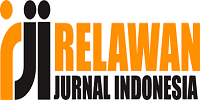
Development of game-based mini book media to improve the learning motivation of third grade students at MI
DOI:
https://doi.org/10.46963/mpgmi.v11i2.3100Keywords:
Mini Book, Game Based Learning, Learning MotivationAbstract
The use of monotonous learning modules in Indonesian language lessons results in low learning motivation of third grade students of MI Tarbiyatul Aulad. Visual learning media, such as mini books, are considered effective because they are practical and interesting. This study aims to develop and test the effectiveness of mini book media based on Game Based Learning to increase student learning motivation in Indonesian language subjects. The research method used is Research and Development (RnD) with the ADDIE model. The results showed that the development of mini book media on Energy and its Changes Information Text material, which was designed interactively with the Game Based Learning approach, was successful. This media also helps understanding the material, as evidenced by the increase in student evaluation results from 75.43% in the pre-test to 81.28% in the post-test. Student response to the mini book media is very positive, with a percentage of 90% based on the Guttman Scale, indicating that this media is very acceptable and useful.
Downloads
References
Agustin, N., Rahmawati, A. L., Sihaloho, H. Y., Anugrah, G., Rahmatika, T., & Roziqoh, R. A. (2023). Media digital untuk pembelajaran. Cahya Ghani Recovery.
Kustandi, C., & Darmawan, D. (2024). Pengembangan media pembelajaran (Edisi pertama). Kencana.
Rahmawati, L. E., & Huda, M. (2022). Evaluasi pembelajaran Bahasa dan Sastra Indonesia. Muhammadiyah University Press.
Saptadi, N. T. S., Subroto, D. E., Nurlely, L., et al. (2023). Psikologi pendidikan. PT Sada Kurnia Pustaka.
Sari, I. P., Nurtamam, M. E., & Hanik, U. (2020). Pengembangan multimedia interaktif berbasis game 2D Flash pada pembelajaran matematika materi pecahan sederhana untuk siswa kelas III UPTD SDN Banyuajuh 4 Kamal. Widyagogik: Jurnal Pendidikan dan Pembelajaran Sekolah Dasar, 7(2), 83–91. https://doi.org/10.21107/widyagogik.v7i2.7815
Sari, M. N., Mudrikah, S., Keban, Y. B., et al. (2024). Metodologi penelitian tindakan kelas & research and development. Pradina Pustaka.
Sari, N. (2020). Pengembangan media mini book untuk meningkatkan kemampuan bercerita pada subtema 1 lingkungan tempat tinggalku kelas IV SD Negeri 104206 Seirotan T.A 2019/2020 [Skripsi, Universitas Negeri Medan]. http://digilib.unimed.ac.id/id/eprint/45356
Sari, W. I. P. E., & Kurniyati. (2022). Buku ajar dokumentasi kebidanan. PT Nasya Expanding Management.
Sidik, N. A. H., Fahmi, F., Umami, K., Annajmi, & Akbar, Z. (2023). Media pembelajaran (suatu pengantar sarana pembelajaran). CV Mega Press Nusantara.
Situmorang, P., Devianty, R., & Syaifullah, M. (2024). Pengembangan media mini book untuk meningkatkan kemampuan membaca pada mata pelajaran Bahasa Indonesia di kelas V. Jurnal Arjuna, 2(6). https://doi.org/10.61132/arjuna.v2i6.1332
Wang, A. I., Knutsen, V. A., & Askestad, E. (2024). Balancing enjoyment and learning in teaching software project management with game-based learning. Computers and Education Open, 7 (December), 100226. https://doi.org/10.1016/j.caeo.2024.100226
Young, A. (2024). A mixed methods analysis of open ended interviews with mothers of young children: Combining psychoanalytic inquiry with reflective functioning. Methods in Psychology, 11 (December), 100165. https://doi.org/10.1016/j.metip.2024.100165
Downloads
Published
Issue
Section
License
Copyright (c) 2025 Intan Nadiroh, Siti Choirotul Amalia; Mei Kalimatusyaro

This work is licensed under a Creative Commons Attribution-ShareAlike 4.0 International License.
Authors who publish with this journal agree to the following terms:
1. Copyright on any article is retained by the author(s).
2. The author grants the journal, right of first publication with the work simultaneously licensed under a Creative Commons Attribution shareAlike 4.0 International License that allows others to share the work with an acknowledgment of the work’s authorship and initial publication in this journal.
3. Authors are able to enter into separate, additional contractual arrangements for the non-exclusive distribution of the journal’s published version of the work (e.g., post it to an institutional repository or publish it in a book), with an acknowledgment of its initial publication in this journal.
4. Authors are permitted and encouraged to post their work online (e.g., in institutional repositories or on their website) prior to and during the submission process, as it can lead to productive exchanges, as well as earlier and greater citation of published work.
5. The article and any associated published material is distributed under the Creative Commons Attribution-ShareAlike 4.0 International License



2.png)